Nashville, TennesseeSince 2013
Prove the
hard part first.
The fastest way through an unproven idea is to build the smallest version of it that can fail. A prototype settles in weeks what a specification argues about for months.
Bring the riskiest part, the agent loop, the data join, the headset interaction, and it is the first thing we build, on real data. If it doesn't hold, you found that out for the price of a prototype instead of a build. Either way, you are talking to the person who writes the code.
The problemWhy now
AI made ideas cheap. It did not make judgment cheap.
AI now lets anyone make an idea feel real in an afternoon. The hard questions haven't moved. Will it actually solve the problem? Can your team run it inside your business? Will it produce the efficiency you were promised? Will anyone find value in it?
Those are judgment calls, and a human in the loop with two decades of shipping makes them faster and cheaper than a full build does.
The planThree steps
Three steps,
and you own all of it
01
Tell us the part you're least sure about.
One call, before any money moves. You bring the thing that would sink the project if it turned out to be false.
02
We build the smallest version that can fail.
We name the riskiest assumption out loud, then build the least amount of software that can prove it wrong, on your real data. Not sample data, not a mock.
03
You decide with evidence.
Build the rest with us, hand the roadmap to your own team, or stop. All three are wins, because all three are cheaper than finding out later.
You own everything we build. No lock-in, fixed price.
Why this worksThe guide
This is how the work that survived got made.
Matthew Wallace has been shipping interactive software since 2004, through every runtime the web has had: Flash, Flex, AIR, Haxe, HTML and JavaScript, Unity, Unreal, WebXR, and now agentic systems. Most engineers live through one or two of those transitions. He has shipped production work in all of them.
He founded 615io, ran a technology organisation as a VP, ran a development shop as a managing partner, and led features that millions of people used at Riot Games. The projects that held up were the ones where the riskiest part got built first. That is not a philosophy he adopted. It is the pattern left over after twenty years of watching which ones survived.
EvidenceThree projects
Proof, not
promises
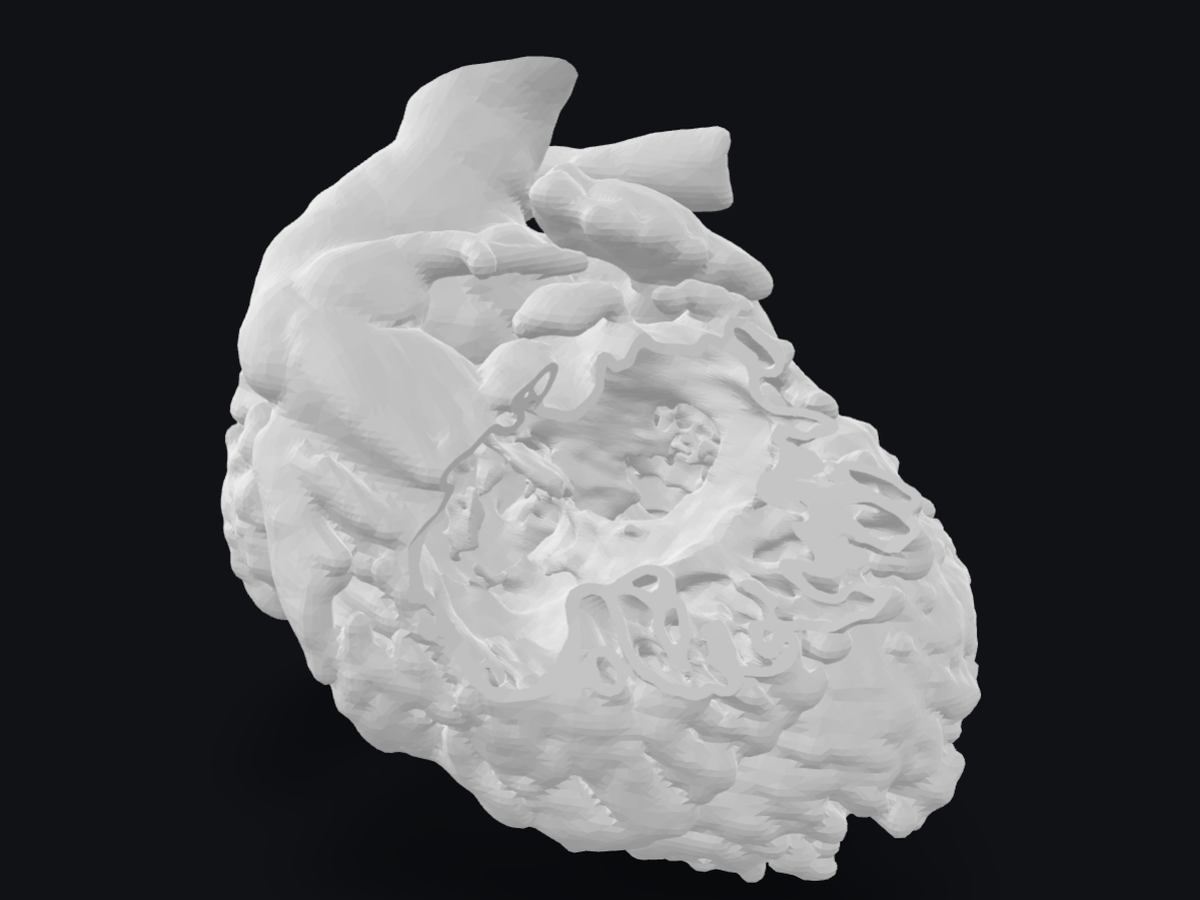
Vanderbilt Children's · Paradym2020
Big Hearts
A CT volume a surgeon can stand inside, scale up, and open to a cutaway plane before the day of surgery.

Bridgestone2021
Dirt Not Included
Thirteen-foot mining tires placed at full scale in any room, cut open and inspected on demand.
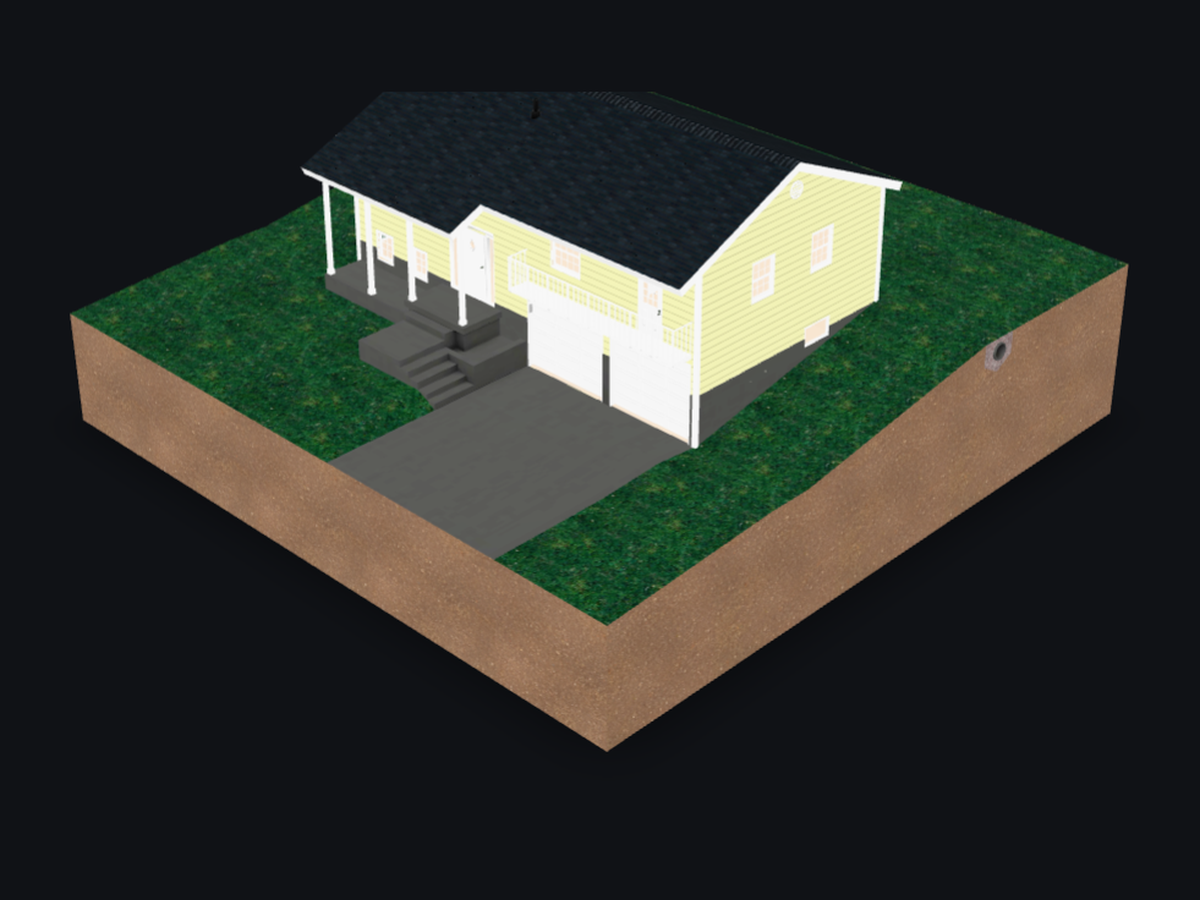
615ioLive
ShareXR
A WebXR training platform: interactive 3D modules delivered in the browser, behind an organisation's own sign-in.
The exhibitThe case for scale
A thirteen-foot tire will not fit in a classroom.
So we moved the classroom. Bridgestone's commercial group trains on product that cannot be shipped to a training room, on a calendar set by freight. We rebuilt the scenario in augmented reality: full-scale product placed in the room in front of you, walked around, cut into, inspected at any point in a sales conversation.
Immersive work earns its budget when physical scale, spatial understanding, or presence is the actual lesson. When it isn't, we say so and build you a web page.
Field notes
What we learned building the last one. Written by the people who shipped it.
- Evals are the deliverable, not the modelWhy we hand over a regression suite before we hand over an agent — and what goes in it.Draft / Agentic / 9 min
- Comfort budgets in industrial ARFrame time, occlusion, and the physical constraints of a shop floor at 40°C.Draft / Immersive / 12 min
- Your pilot stalled on data, not AIThe four failures we find in every stalled AI pilot, in the order we find them.Draft / Data / 7 min
- Designing for experts who are already fastDense interfaces for people who do not want to be onboarded, and what that costs.Draft / UX / UI / 10 min
What we can build once the hard part holds.
UX / UI DesignAgentic SystemsData EngineeringImmersiveMulti-MediaThe expensive version of this is finding out in month seven. The budget is committed, the team is staffed, and the assumption nobody tested is the one that was wrong.
The cheap version is finding out in week two, for the price of a prototype, with a roadmap you own either way.
Reach outMatthew
Prove the
hard part first.
Bring the part you are least sure about. It is the first thing we build.